Rwanda, which experienced "one of the worst genocides of the 20th century," shares its message at the Expo — reported by Mainichi Shimbun.
Overcoming violence and discrimination, and walking the path of reconciliation and coexistence—this powerful message is what Rwanda, in Central Africa, is bringing to the Osaka-Kansai Expo. Driven by a determination never to repeat the tragedy of the genocide it experienced 31 years ago, Rwanda is appealing to the world through exhibitions and events at the Expo, emphasizing that there is no future beyond hatred and division.
One in ten citizens lost
In 1994, the then-government forces and extremist Hutu groups attacked Tutsi residents. It is estimated that 800,000 to 1 million people were killed within just three months, making it one of the worst genocides of the 20th century.
This tragedy was rooted in colonial divide-and-rule policies by the former colonial power Belgium. Although the Hutu and Tutsi share the same language and cultural background, Belgium favored the Tutsi and discriminated against the Hutu. After independence in 1962, the Hutu took power and began persecuting the Tutsi, which eventually led to civil war.
The genocide claimed the lives of one in ten Rwandans, creating an urgent need for national rebuilding and reconciliation. Perpetrators were tried in community courts called "Gacaca," where they served prison sentences or community service, after which they were reintegrated into their communities.
To rebuild, the government pursued economic reforms, promoted tourism, digitalized education and public services, and advanced women’s participation in society. As a result, Rwanda achieved remarkable economic growth, often called “the miracle of Africa.”
Memorial service held at the Expo
At the Expo, Rwanda and several other countries share a "Commons" pavilion where they showcase their rich nature and industries. Traditional crafts such as handwoven baskets and vases made from grass and hemp are displayed. Known as "Peace Baskets," these items are symbols of recovery, created by Tutsi and Hutu women who lost family members in the genocide and worked together to support their households.
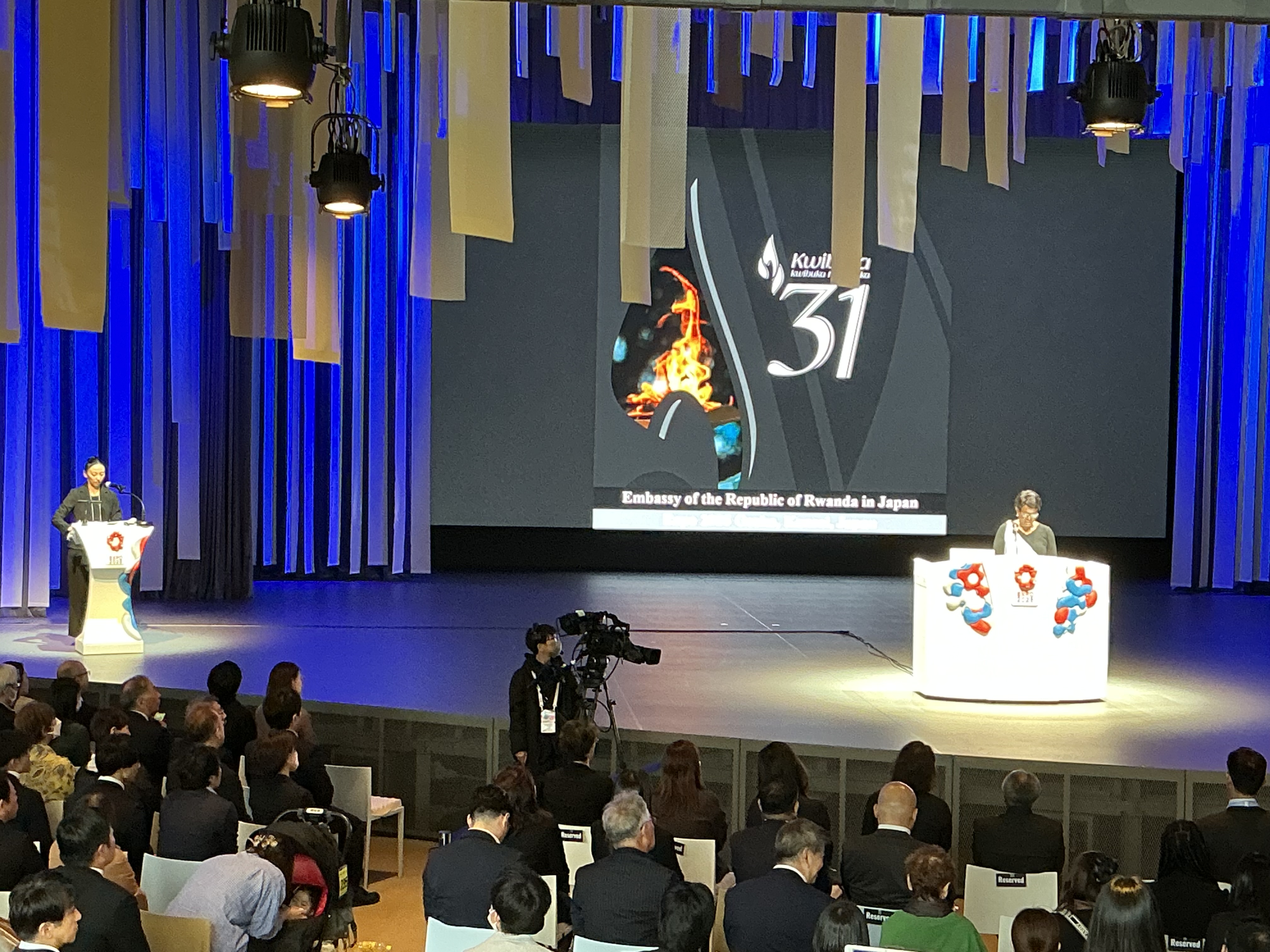
This year, the annual genocide memorial ceremony, usually held at the Rwandan Embassy in Tokyo, was held at the Expo venue in May.
Survivor Claver Irakoze spoke at the ceremony. At 11 years old during the genocide, Irakoze lost his father and soon after his mother. He struggled with trauma and wondered how to live his life. Now a father himself, he continues to raise awareness about the genocide through picture books, hoping no child will experience the same fate.
"I know the terrifying power of hatred. Genocide is a crime against humanity—a tragedy not only for Rwanda but for all mankind. We must never forget," he urged.
Courage to face the past
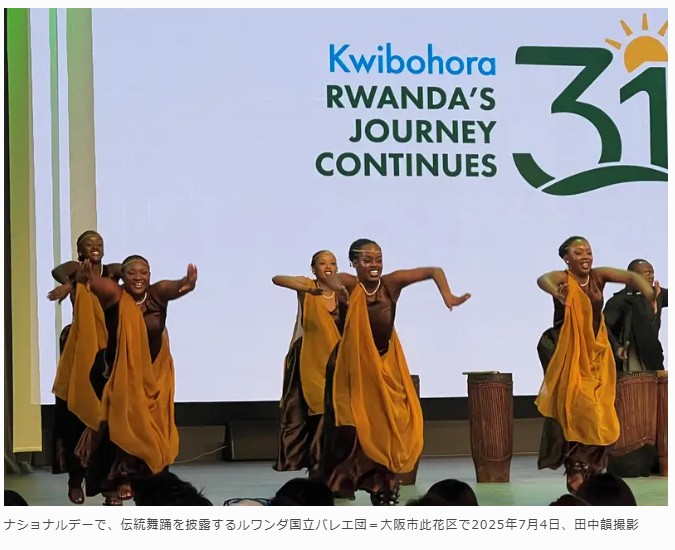
On July 4, the anniversary of the genocide’s end, the Expo held a “National Day” event where participating countries introduce their cultures. The Rwanda National Ballet performed traditional dances expressing the nation’s overcoming of hardship and hope for the future.
Children from Oe Elementary School in Osaka City, who have engaged in exchange programs with Rwanda through the Expo, also participated. Sixth-grader Daiki Goto (11) said, “Learning about the history of the genocide in Rwanda made me realize how special it is to be born and raised in a country without conflict.”
This is Rwanda’s second time participating in a World Expo, following Dubai 2021–22. Rwandan Ambassador to Japan Marie-Claire Mukasine said, “The path to recovery and reconciliation was extremely difficult, but when we faced the past with courage and vowed never to repeat the tragedy, what became possible was Rwanda’s growth—that is proof of it.”
With wars continuing around the world today, Ambassador Mukasine emphasized, “Without peace, it is impossible to build a future.”
Original article in Japanese by In Tanaka, published in the Mainichi Shimbun
Topics

Embassy of Rwanda and Setagaya City hosts the First-Umuganda in Japan
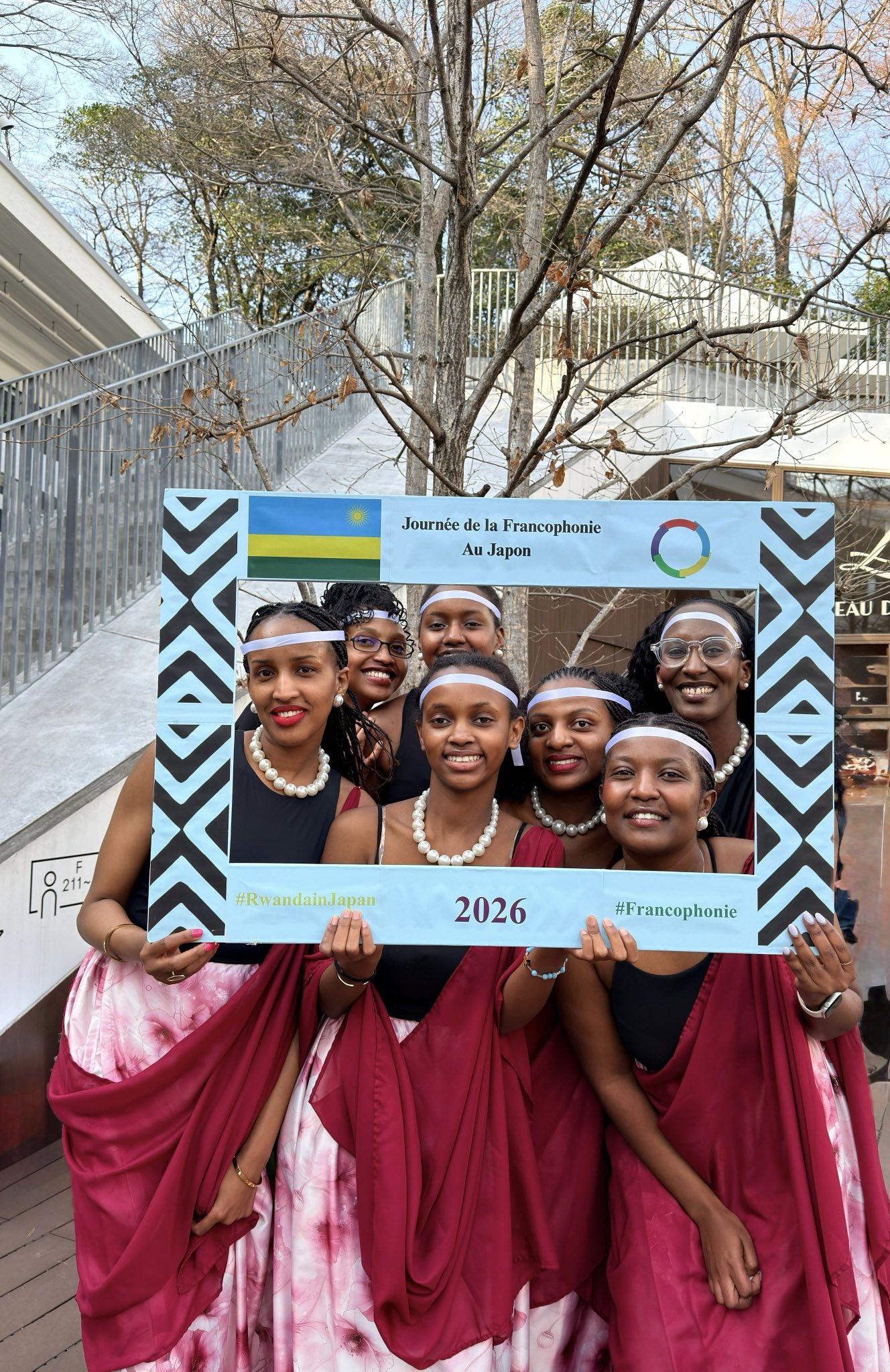
"La Journée de la Francophonie 2026"

Rwandan Community 2025 Year-End Gathering in Tokyo

Embassy of the Republic of Rwanda in Japan is Hiring!
Rwanda, which experienced "one of the worst genocides of the 20th century," shares its message at the Expo — reported by Mainichi Shimbun.
VISIT RWANDA
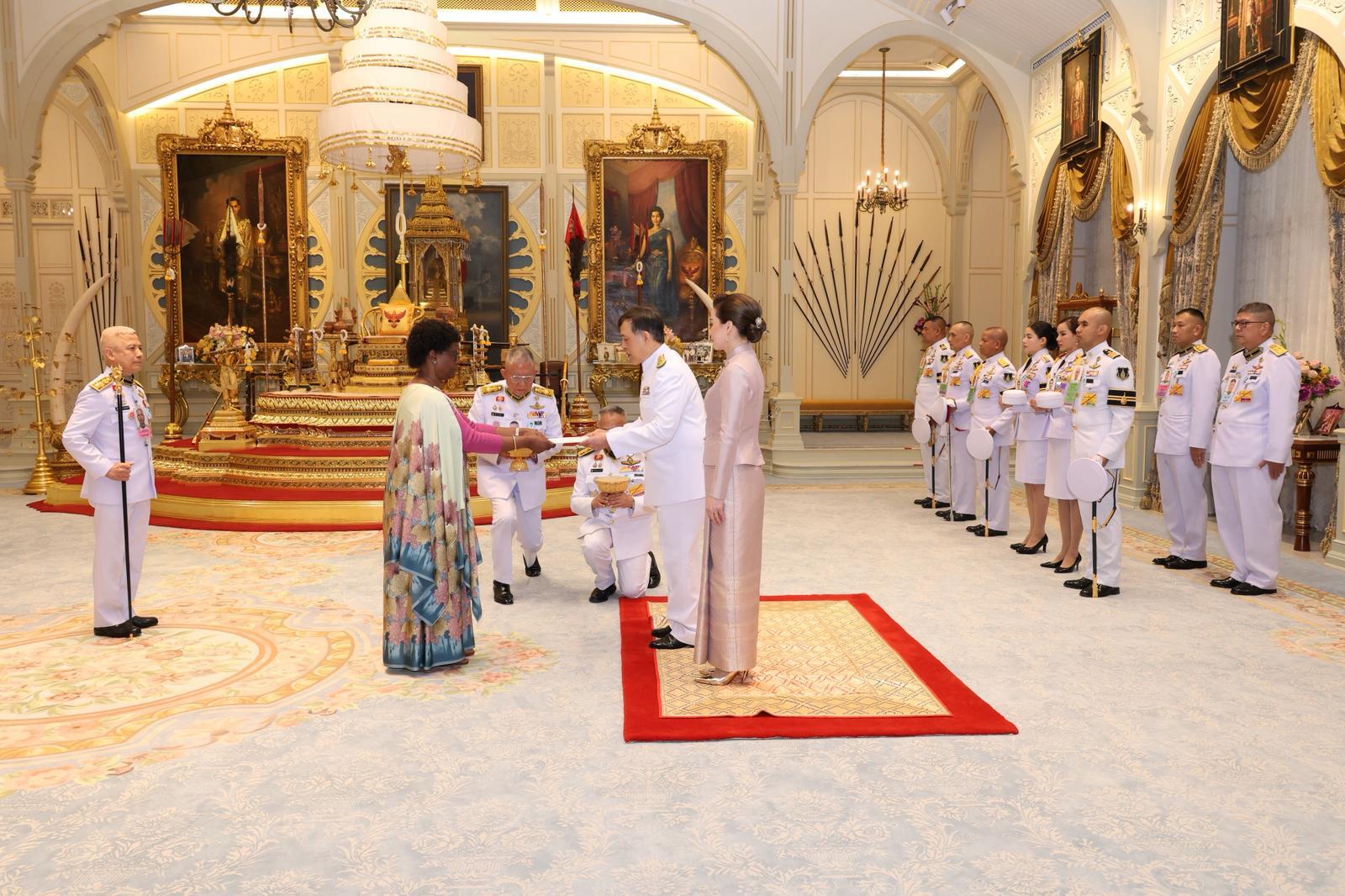
Ambassador MUKASINE Marie Claire Presents Credentials in Thailand

Kwibuka31 commemoration held in the Philippines