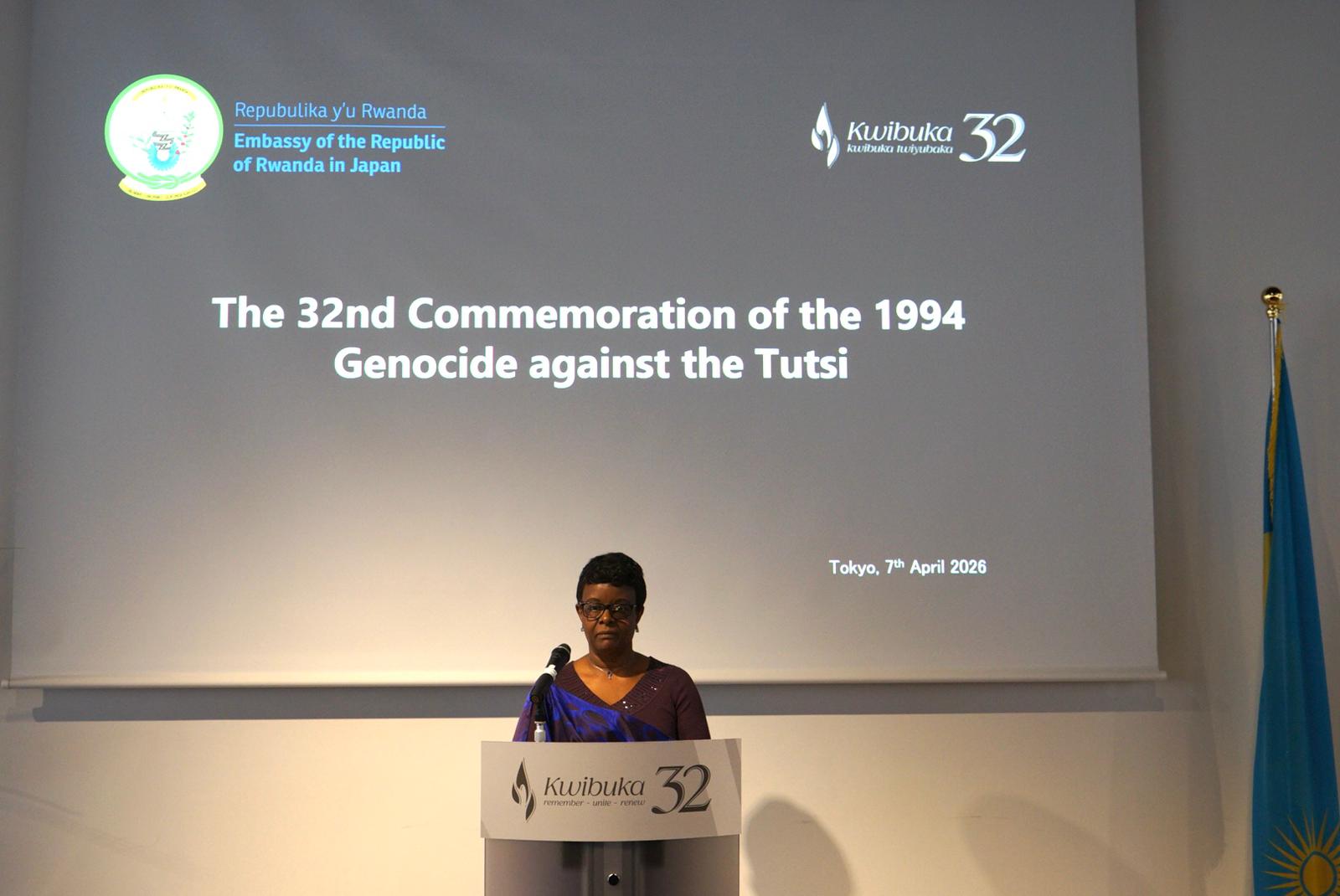
The 32nd Commemoration of the 1994 Genocide against the Tutsi (Kwibuka32) at the United Nations University in Tokyo
Tokyo, 7 April 2026, the Embassy of the Republic of Rwanda in Japan hosted the 32nd Commemoration of the 1994 Genocide against the Tutsi (Kwibuka32) at the United Nations University in Tokyo, bringing together senior government officials, members of the diplomatic corps, scholars, and the Rwandan community in Japan. The ceremony served as both a solemn tribute to the victims and a renewed call for global vigilance against genocide and its underlying ideologies. In her keynote address, Ambassador Marie Claire Mukasine emphasized that Kwibuka goes beyond remembrance, calling for responsibility and action in preserving truth and preventing future atrocities.
"Kwibuka is not only a period of mourning; it is also a time of responsibility — to preserve the truth, to confront denial, and to ensure that such atrocities never happen again anywhere in the world." She highlighted that the Genocide against the Tutsi was not a spontaneous tragedy, but a deliberate and systematically executed crime, rooted in historical divisions and fueled by an ideology of hate. While reflecting on the devastating loss of over one million lives in just 100 days, Ambassador Mukasine also underscored Rwanda’s remarkable journey of recovery marked by national unity, reconciliation, and sustained development.
Representing the Government of Japan, Parliamentary Vice-Minister for Foreign Affairs of Japan, Honorable SHIMADA Tomoaki, conveyed Japan’s sincere condolences and solidarity with the people of Rwanda. “Thirty-two years would be insufficient to heal the pain of those who lost their family and friends,” he stated, while paying tribute to the victims and acknowledging Rwanda’s significant progress over the past three decades. He further reaffirmed Japan’s commitment to strengthening bilateral cooperation with Rwanda, particularly in areas such as human resource development, infrastructure, and economic partnership. Speaking on behalf of the United Nations University, Prof. Tshilidzi Marwala, Rector of the United Nations University and Under-Secretary-General of the United Nations, placed the commemoration within a broader global context, stressing the importance of learning from past failures. “We gather today not only to remember those who died, but to listen to the stories of those who survived and to act on their calls to reject hate, division, and violence.” He acknowledged that the international community, including the United Nations, failed to act in time in 1994, and emphasized that remembrance must be accompanied by concrete measures to protect lives today. Quoting António Guterres, he noted: “It’s not enough to remember the dead. We must learn from past failures and protect the living.”
Adding a deeply personal perspective, Dr. Kenji Fukuoka, Honorary Consul of the Republic of Rwanda in Kobe City, reflected on Rwanda’s extraordinary recovery and the lessons it offers to the world. Drawing parallels with the Great Hanshin-Awaji Earthquake of 1995, which devastated his hometown of Kobe, he highlighted a shared experience of rebuilding from tragedy. He described Rwanda’s transformation as the “Miracle of Africa,” noting the resilience and determination of its people, and emphasized the profound significance of reconciliation: “Victims and perpetrators have continued to walk the long, arduous path of reconciliation… a spirit of forgiveness and coexistence that humanity must learn.”
The commemoration in Tokyo reaffirmed the importance of international frameworks such as the Genocide Convention and the Responsibility to Protect, emphasizing that the pledge of “Never Again” must be translated into sustained and measurable action. Held under the theme “Remember – Unite – Renew,” Kwibuka32 served as a powerful reminder that remembrance is inseparable from responsibility. As participants lit the flame of remembrance, the event underscored a shared commitment between Rwanda, Japan, and the international community to uphold truth, foster unity, and work collectively toward a future free from hate, division, and violence.
End
Topics
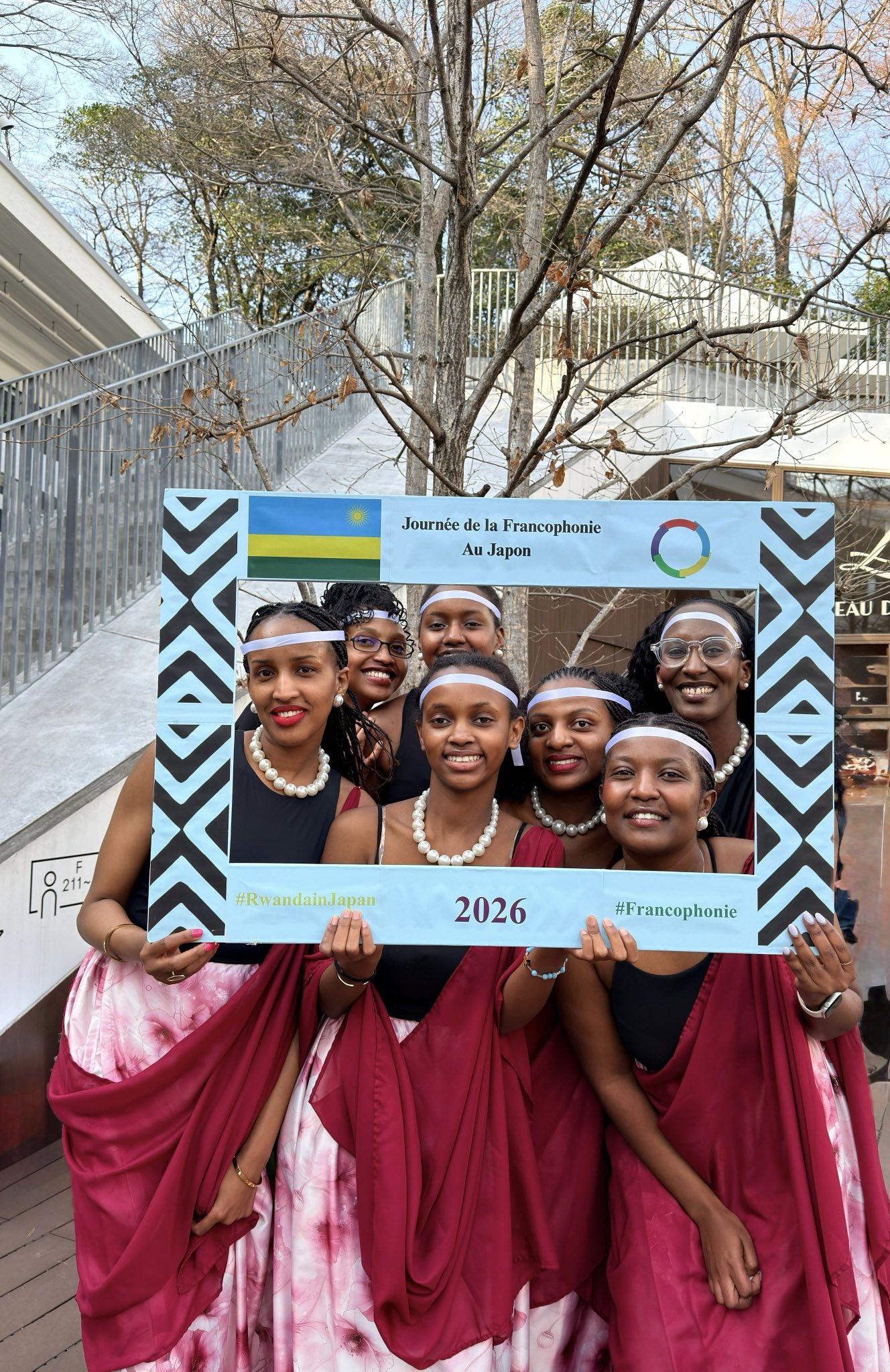
"La Journée de la Francophonie 2026"

Rwandan Community 2025 Year-End Gathering in Tokyo

Embassy of the Republic of Rwanda in Japan is Hiring!
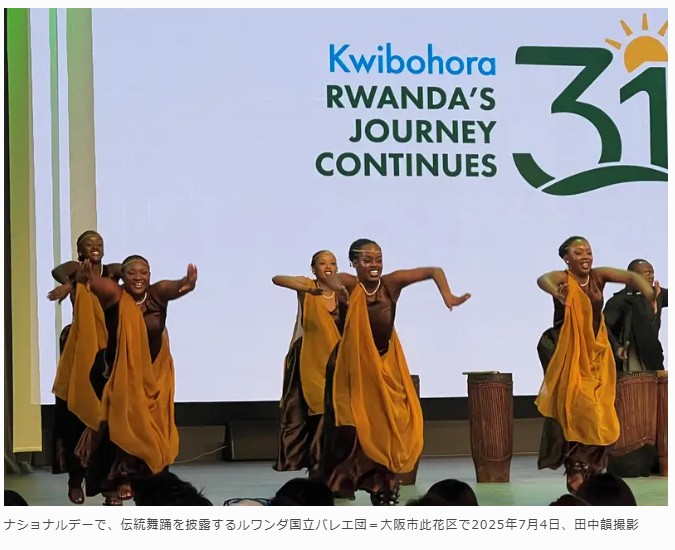
Rwanda, which experienced "one of the worst genocides of the 20th century," shares its message at the Expo — reported by Mainichi Shimbun.
VISIT RWANDA
Ambassador MUKASINE Marie Claire Presents Credentials in Thailand

Kwibuka31 commemoration held in the Philippines
Kwibuka 31 at Expo 2025 Osaka, Kansai